
Latest additions


Latest news
-
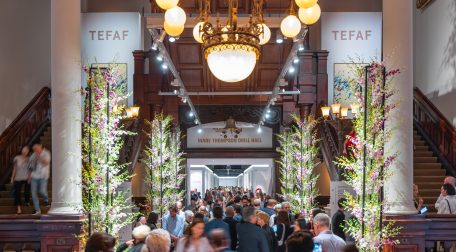
Modernity Welcomes You to TEFAF New York 2024
Modernity is delighted to return to the Park Avenue Armory to exhibit at TEFAF New York 2024. Click to read more about our fifth participation at the fair.
-
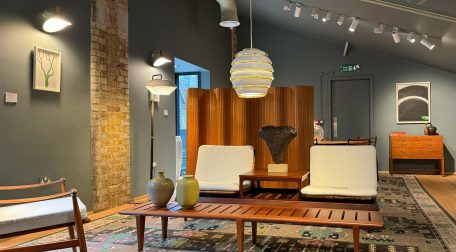
William Turnbull at Modernity London
Offer Waterman and Modernity announce a new joint exhibition at Modernity’s Pimlico gallery space. Offer Waterman will show a selection of works by William Turnbull alongside a number of highlights from Modernity’s collection of 20th Century Nordic design. Offer Waterman exclusively represents the Estate of William Turnbull.
-
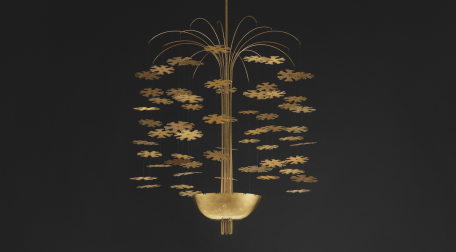
The Snowflake Chandelier by Paavo Tynell
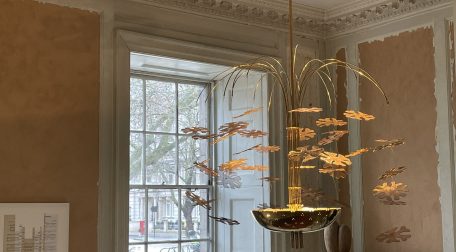
Paavo Tynell, “The man who illuminated Finland”, became an internationally celebrated designer during his lifetime. The Snowflake is one of his most sought-after works and belongs to the most triumphant period in Finnish design. “The Snowflake is the peak production of Tynell’s career. When the light is on the lamp shines very beautifully - the snowflakes reflect the light and interesting shadows appear on the ceiling and in the room. It is indeed a highly decorative piece, an Object d’Art, even when it is not lit, a beautiful piece of art in any space, public or private” says Pekka Korvenmaa, professor emeritus in design history at the Aalto University in Finland.
-
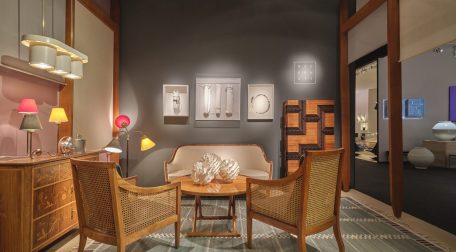
Modernity exhibits at the PAD fair, 10 - 15 October
Modernity is delighted to return to Berkeley Square to exhibit at PAD London 2023 which runs from 10 October to 15 October. PAD showcases exceptional design and art from local and international galleries. ”The fair is an excellent opportunity to put collectors in contact with dealers, allowing clients to purchase exquisite pieces from every major art and design practice.” Says Andrew Duncanson, founder of Modernity.
-

This spectacular penthouse could be yours. And Modernity has been part of furnishing it.
The newly renovated OWO building in London - which used to be the Old War Office on Whitehall in London - has been turned into a Raffles Hotel and luxury residences. This is where Churchill had his office during World War II. Winch Design has collaborated with Modernity - many of our unique pieces are placed around the apartment together with contemporary design and art.
-
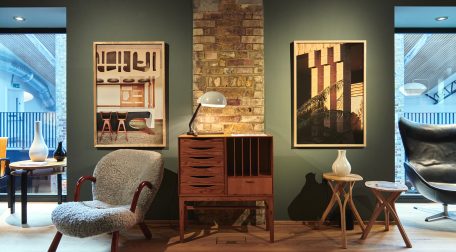
Catching Light The Architecture of IWAN IWANOFF
In collaboration with the London Festival of Architecture, we are excited to showcase this project for the first time in Europe. Modernity specialises in 20th Century Nordic design. Est Stockholm 1998. Their newest London gallery opened in January 2023.
-
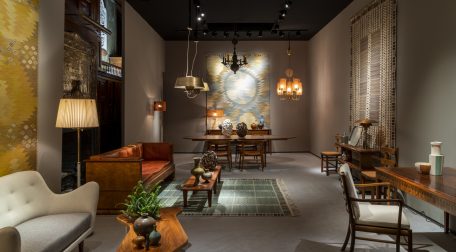
Modernity welcomes you to TEFAF New York 2023
This week, Modernity is exhibiting at TEFAF New York, which runs from Friday 12 May until Tuesday 16 May. The fair is held at the historic Park Avenue Armory in the Upper East Side, and this is our fourth year exhibiting at TEFAF New York.
-
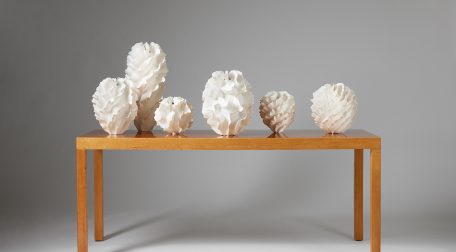
London Craft Week 2023 – In the Spotlight: Sandra Davolio
-
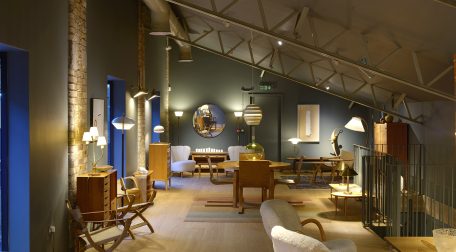
Virtual tour of our London Gallery
Walk around our newly opened gallery in the heart of Belgravia, London
-
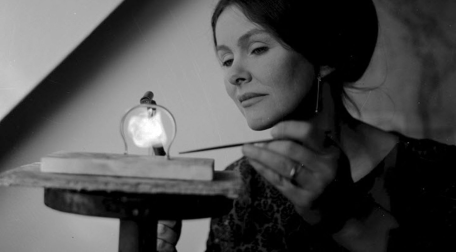
Featured Designer: Vivianna Torun Bülow-Hübe
Vivianna Torun Bülow-Hübe was a master jeweller and silversmith and is one of the most important Swedish designers of the twentieth century. She is known as ‘Torun’ and is the first female silversmith to have received international recognition. Throughout her career, Torun worked in Sweden, France, Germany, and Indonesia.
-
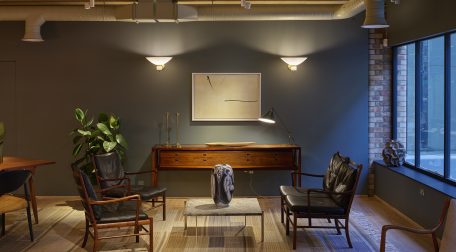
Modernity has Opened Showroom in Belgravia's Pimlico Road Design District
Modernity has opened a new permanent London showroom located in Newson’s Yard – a newly developed design destination on the Pimlico Road in Belgravia.
-
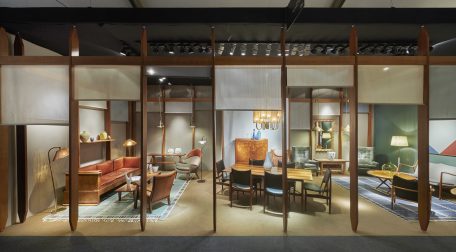
Modernity Exhibits at PAD London 2022
Modernity is delighted to return to Berkeley Square to exhibit at PAD London 2022 which runs from 10 October to 16 October. This year will be our tenth year of showcasing our selection of rare and high-grade Nordic design collectables at PAD London. Please feel free to visit us at booth B4.
-
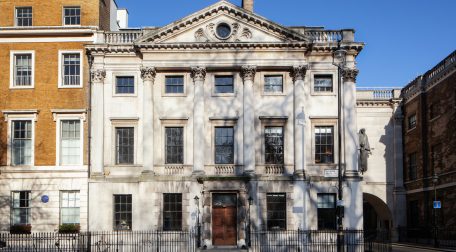
Now closed: Modernity's showroom on Cavendish Square
Welcome back to 14 Cavendish Square, London. Modernity reopened the doors to the 18th century mansion on July 21st. It is a treasure trove of 20th century Nordic design and art.
-
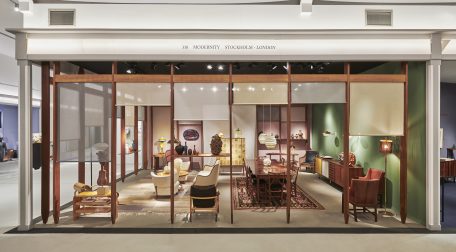
Modernity Exhibits at Masterpiece London 2022
Modernity will participate in Masterpiece London 2022, which runs from 30 June to 6 July 2022. We are delighted to be part of the first Masterpiece fair since 2019 and are eager to return to the grounds of Royal Hospital Chelsea. This will be our fifth appearance at the fair. We will be located on stand 310.
-
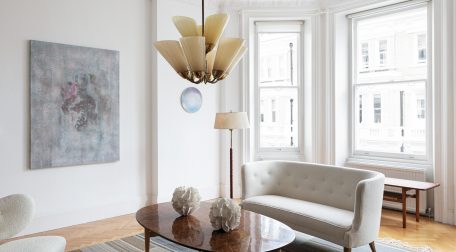
Modernity x Canopy Collections in London
Modernity is delighted to announce their collaborative exhibition hosted by art collector Anne-Pierre d’Albis-Ganem at a pied a terre in Kensington. Opening on Thursday 17th March, this intimate display will present unique artworks in new collection “There Are No Strangers Here” made up of ten contemporary artists. Along side the new collection, with a selection of rare and high-grade Nordic furniture, lighting and objects.
-
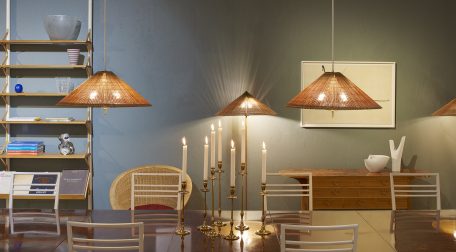
Paavo Tynell - 'The man who illuminated Finland'
Modernity London unveils a new exhibition on the Finnish lighting designer Paavo Tynell, opening on the 25th of January, just in time to celebrate his 132nd birthday. The gallery will be transformed into a showcase of just under twenty rare and unique designs by Tynell. Visitors will be transported through the story of Paavo Tynell and his work.
-
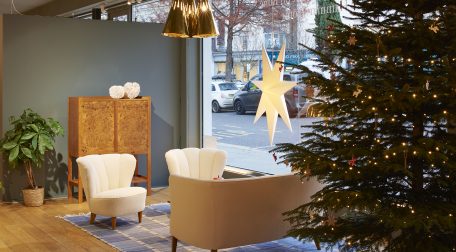
Winter Exhibition: a spotlight on Rune Hagberg and Per Hammarström at our London Gallery
Modernity has joined six local galleries to exhibit their specialities within the Westbourne Grove area. Alongside our Nordic design pieces from the 20th Century; the likes of which include Josef Frank, Alvar Aalto, Paavo Tynell and Finn Juhl, we are shining a light on Swedish Artist Rune Frederik Hagberg (1924-2015) and ceramicist Per Hammarström during the event.
-
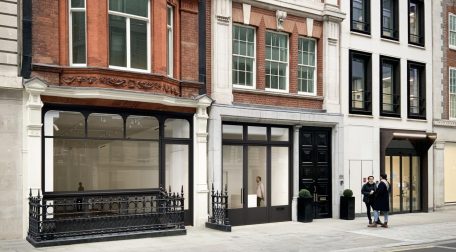
Modernity partners with Frieze – moves into gallery in Mayfair
Modernity has partnered with the art fair Frieze, which is opening a townhouse gallery on Cork Street in Mayfair. Modernity has furnished the gallery with Nordic design. This is an addition to the flagship gallery in London’s Notting Hill.
-
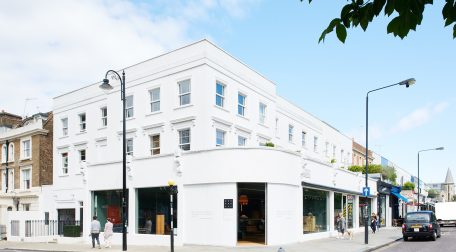
Modernity has opened a new gallery space in London
Modernity is delighted to announce the arrival of its new showroom in London, located at the former showroom of the legendary clothing shop Joseph on Westbourne Grove, Notting Hill. Opening day on August 16th.
-
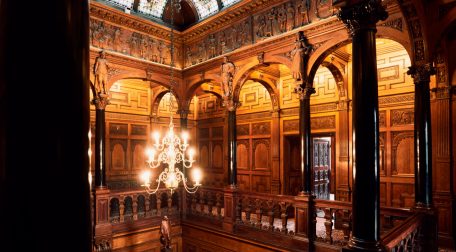
Modernity at Eye of the Collector 2021
Modernity will be exhibiting at Eye of the Collector 2021, located at Two Temple Place, London. We are excited to be attending our first fair since 2020, bringing work by celebrated Nordic designers Börge Mogensen, Arne Vodder, Alvar Aalto and Hans J. Wegner.
-
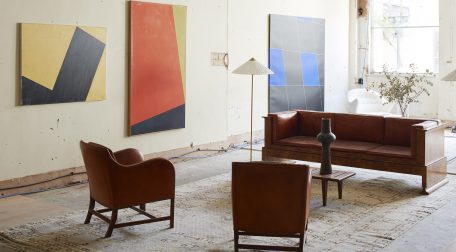
Modernity opens a new Nordic Art and Design exhibition in London
The London House of Modernity at 14 Cavendish. Modernity welcomes visitors to a brand new exhibition, ‘A curation of Nordic Art and Design’ at our showroom on Cavendish Square. We have curated an exhibition with the support of the Swedish Embassy, opening our doors to the public from the 23rd of June 2021.
-
Modernity supplies international museums
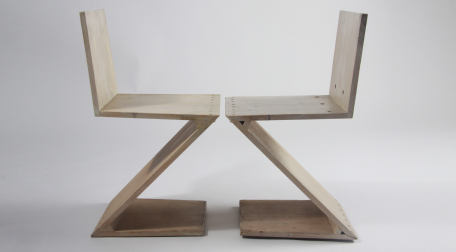
Modernity has once again sold important pieces of design to international museums. This time the famous Zig Zag chair by Gerrit Rietveld sold to the Milwaukee Art Museum in the US. The National Museum of Scotland has also recently purchased important pieces of jewellery.
-
Paavo Tynell’s ‘Snowflake’ – celebrating a legacy of lighting.
To experience anything visually, we are completely led by light. It is a life giver and creator of atmosphere. Rarely is light ever controlled as beautifully or poetically as it was by the world-famous Finnish lighting designer Paavo Tynell.
-
Modernity hosts an exhibition with Stephen Friedman Gallery in London, opening online from 18th January
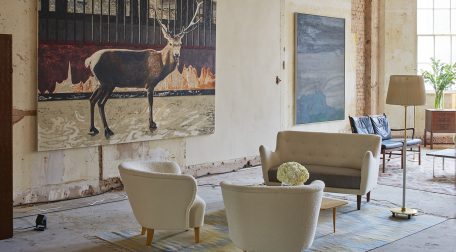
Modernity has invited Stephen Friedman Gallery, London, to present prime pieces of contemporary works of art, with an emphasis on works by two of Sweden’s foremost artists, Mamma Andersson and Andreas Eriksson. These will be placed within Modernity's newly curated space in Marylebone, London.
-
Arne Jacobsen and the iconic ‘Oxford’ dining set
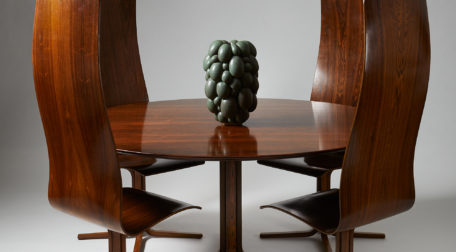
One of the most notable custom designs produced by Jacobsen was the famed and incredibly exclusive high-back “Oxford chairs” for the St. Catherine's college project – a set of which we have acquired here at Modernity, taking center stage at our newest exhibition: Stephen Friedman Gallery at The London House of Modernity, 14 Cavendish Square.
-
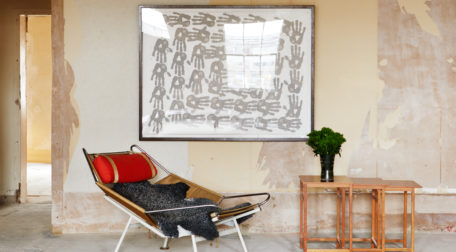
An ongoing exhibition of Nordic design in London
Modernity's London showroom at number 14 Cavendish Square in Marylebone, London will continue to show prime pieces of mid-century Nordic design in the grandeur of a listed Palladian-style mansion.
-
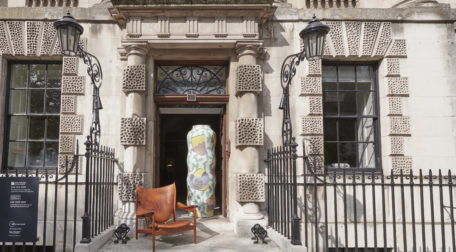
Modernity in collaboration with Adrian Sassoon 5th - 28th October 2020
Modernity welcomed Adrian Sassoon, the UK’s leading gallery for contemporary decorative art and design, to our London showroom on 14 Cavendish Square. The two galleries curated a joint exhibition which was open in October.
-
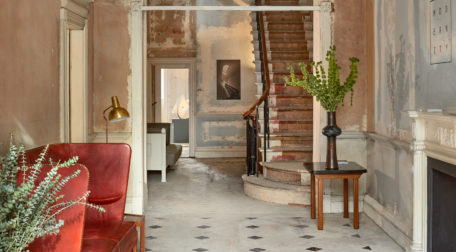
Modernity welcomes its clients back to their London showroom
Modernity will re-open its UK showroom, set in an 18th century mansion at 14 Cavendish Square in London from June 15th, after several months of closure to the pandemic, Covid-19.
-
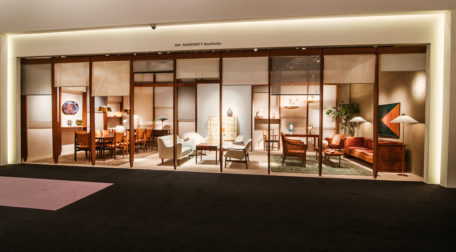
TEFAF Maastricht 2020
TEFAF Maastricht is the most selective and well-vetted art and design fair in the world. We appreciate the opportunity to show alongside prime galleries and are showing our rarest and most sought-after pieces.
-
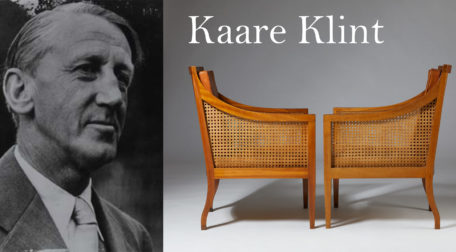
Kaare Klint, an ode to a master.
An exploration into the history of the man that is responsible for the way in which the design of today is viewed and crafted.
-
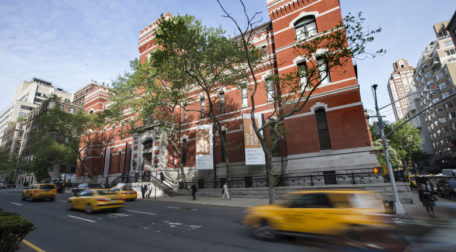
Modernity exhibits at the Salon New York 2019
Modernity exhibited at the Salon New York at The Park Avenue Armory. This year we exhibited a number of eye-catching and rare pieces. We proudly presented the rare “Futurum” shelf, designed by Axel Einar Hjorth. This was first time we had displayed it at a fair.
-

The London House of Modernity
Modernity opens its new exhibition space in London - Moves into an 18th-century mansion. “It’s perhaps the most poised show house you’ll ever see” - Andrew Tuck, Monocle
-

Vivianna Torun Bülow-Hübe – A Retrospective
An insight into the world that shaped Torun's vision to create ever-lasting symbols.
-
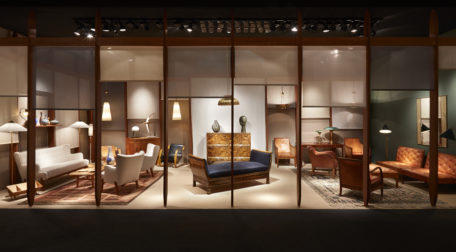
PAD London 2019
Modernity exhibited at PAD London in Berkeley Square. This was our ninth appearance here and we displayed one of our most exciting booths, with an array of truly stunning pieces. We were so glad to be exhibit at PAD London, as it was a great way to celebrate our new London office.
-
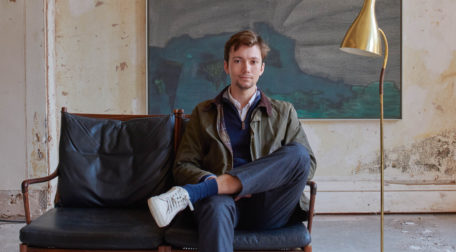
Modernity opens London office.
Modernity has opened a London office in Soho, within walking distance of some of the major galleries in Mayfair. “It is important to be close to the clients throughout the year, not only at the fairs we do”, says director Andrew Duncanson.
-
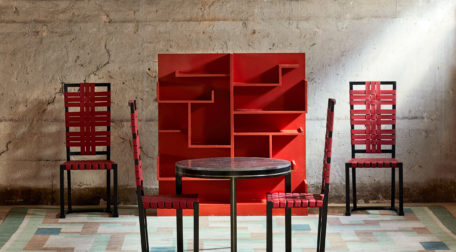
Futurum at a glance
Swedish architect and designer Axel Einar Hjorth (1888-1959) was a major contributor to the flowering of Swedish design, which gained international attention in the 1920’s. Often considered to be the creator of Swedish Grace, the equivalent of French Art Déco, Hjorth did not hesitate to try his skills in styles that varied from the luxuriousness of neo-classicism to the severity of functionalism.
-
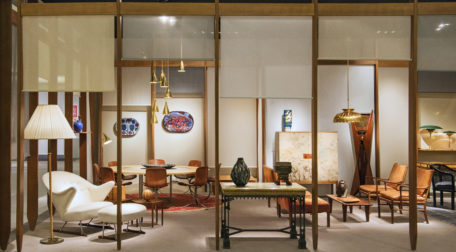
Masterpiece London 2019
The Masterpiece fair in London is now open! With more than 150 leading galleries and dealers from all over the world, this fair gives collectors the opportunity to purchase the best pieces available on the market from a wide variety of disciplines.
-
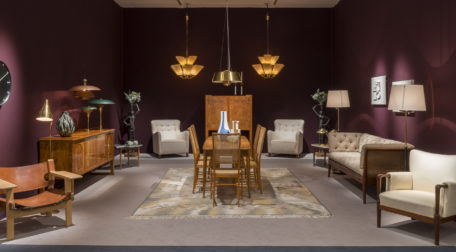
Modernity is at TEFAF New York Spring May 2 - 7, 2019
Modernity is proud to be part of the third edition of TEFAF New York Spring, running from May 2nd to May 7th, at the historic Park Avenue Armory.
-
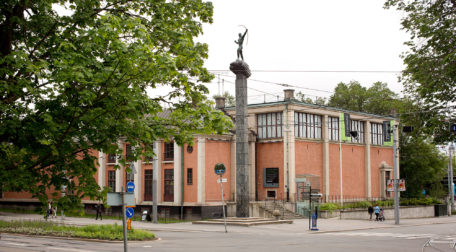
Modernity embellishes the VIP lounge at Market Art Fair
Market Art Fair is one of the most important Nordic venues for contemporary art. The 2019 edition of Market Art Fair starts on Friday, April 12, with a VIP preview the day before.
-
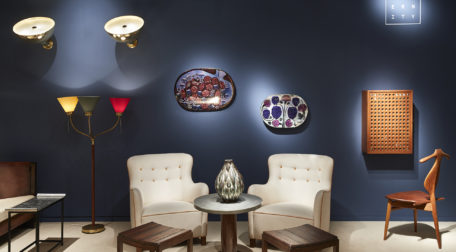
Modernity is at TEFAF Maastricht 2019
TEFAF Maastricht is widely regarded as the world's premier Fair for fine art, antiques and design. Featuring over 275 prestigious dealers from some 20 countries, TEFAF Maastricht is a showcase for the finest art works currently on the market.
-
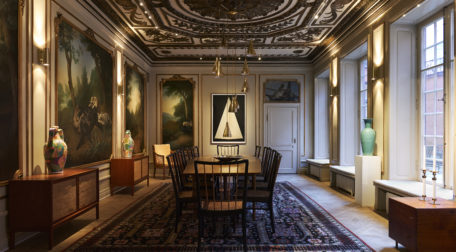
Modernity by CFHILL
Modernity is delighted to announce a new collaboration with CFHILL, one Stockholm’s foremost art spaces housed in an exquisite 17th Century mansion. In this exhibition named “In the Hands of a Genius”, CFHILL has curated and arranged unique pieces of furniture, lighting, textile and objects from Modernity’s treasure trove.
-
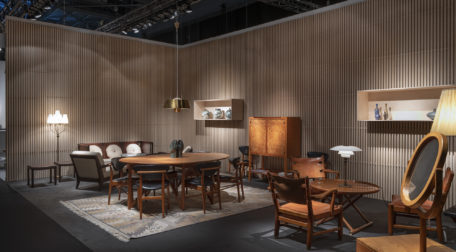
Modernity at PAD Genève 2019
After a successful first edition last year, PAD Genève and artgenève confirm their partnership, establishing the venue as a high end and internationally renowned design and art fair.
-
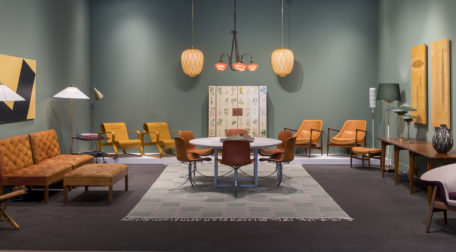
First time in San Francisco!
FOG Design+Art has established itself as a prestigious, curated fair that brings together some of the leading international art and design galleries to celebrate the spirit of innovation and creativity that defines San Francisco.
-
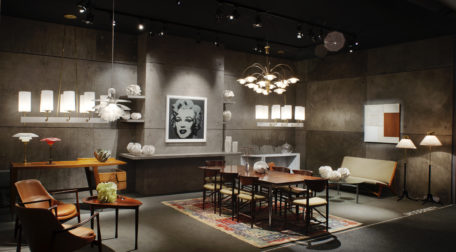
A busy year gone, a busy year ahead
Modernity will have a busy and exciting 2019 agenda with seven high end international art and design fairs in Europe and the United States.
-
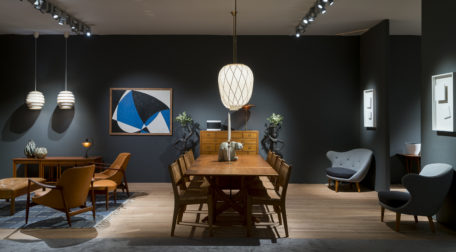
Modernity at the Salon 2018 in New York
Once again, Modernity participated to one of New York's best art and design fairs of the year: the Salon. Held at the Park Avenue Armory at the beginning of November, the Salon has become an unmissable venue for collectors, museum curators and design aficionados.
-
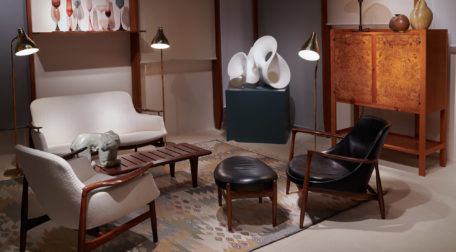
Pavilion of Art and Design London 2018 - Virtual Tour
Modernity has had a virtual reality scan done of the booth at PAD London 2018. This will allow anyone who views it to immerse themselves in the booth by simply visiting our website.
-
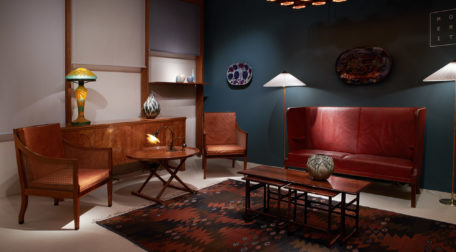
Welcome to PAD London 2018
For our eighth participation to the fair, we will present a variety of furniture pieces by the celebrated Nordic designers Josef Frank, Paavo Tynell, Kaare Klint, Axel Einar Hjorth, Ib Kofod-Larsen, Finn Juhl, and Frits Henningsen, among others.
-

Modernity supplies pieces by Josef Frank and Alvar Aalto to leading museums in the US
Modernity supplied two US museums with iconic pieces of Nordic design, including the Flora cabinet by Josef Frank and an excellent example of Alvar Aalto's work, the model 70 occasional table.
-

Modernity exhibits at Masterpiece London 2018
For our third participation to the Masterpiece fair, we will present a variety of furniture pieces by the celebrated Scandinavian designers Alvar Aalto, Josef Frank, Ib Kofod-Larsen, Tapio Wirkkala, Frits Henningsen and Ole Wanscher, among others.
-
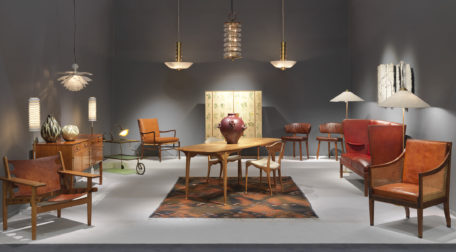
Modernity at TEFAF New York 2018 - May 4 to 8th
Modernity is proud to be part of the second edition of TEFAF New York Spring, running from May 4 - May 8th, at the historic Park Avenue Armory. The fair has a strong focus on modern and contemporary art and design.
-
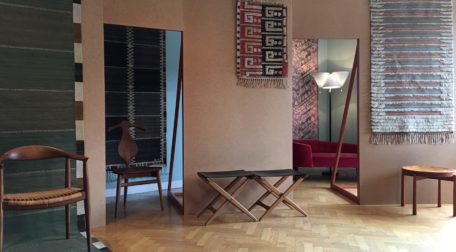
Modernity exhibits with the renowned weavers Märta Måås-Fjetterström on a joint exhibition in Båstad, Sweden
Modernity is exhibiting at the famous weavers Märta Måås-Fjetterström, MMF, at their exhibition in Båstad this summer. Carpets and furniture are mixed to create a harmonious environment that ignites interesting discussion.
-
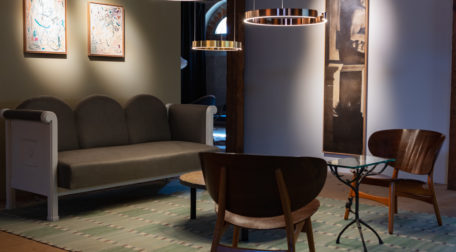
Modernity exhibits at c/o Stockholm
Modernity will exhibit together with five Stockholm galleries rare pieces of the finest quality at a restored 19th century stable in Stockholm city center from 12-14 April 2018.
-
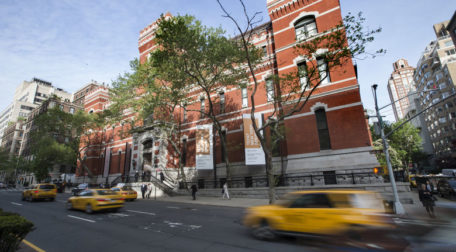
Modernity exhibits at TEFAF New York Spring 2018
The second edition of TEFAF New York Spring will run from May 4 to May 8, 2018, a timing which coincides with auctions, exhibitions, and other fairs in New York dedicated to modern and contemporary art and design.
-
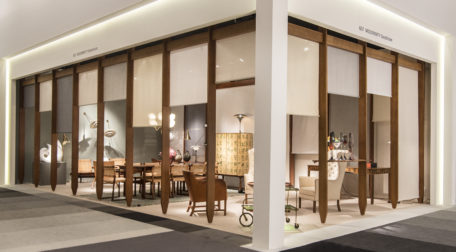
Modernity at TEFAF Maastricht 2018 - March 10 to 18th
Widely regarded as the most high-profile art, antiques and design fair, TEFAF Maastricht focuses on showcasing the best works of art available on the market, all presented by 275 of the world’s leading galleries.
-
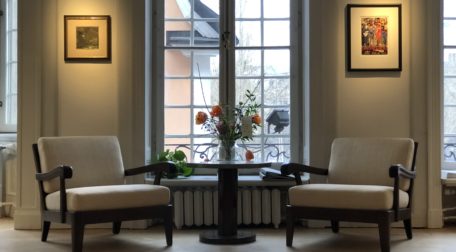
Modernity collaborates with CF Hill
Modernity is delighted to announce our collaboration with CF Hill on their 'Post War and more' exhibition, styling three rooms within a historic building near Kungsträdgården
-
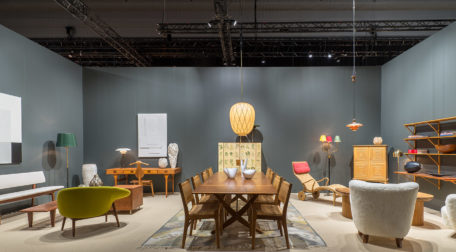
Modernity at PAD Genève 2018
Modernity takes part in the first edition of PAD Genève, 31 January to 4 February, 2018, on the grounds of the prestigious artgenève fair.
-
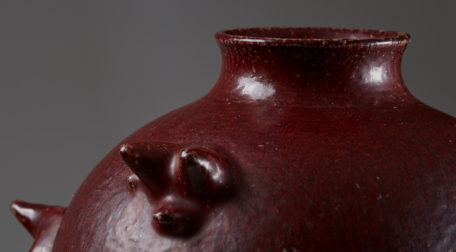
Axel Salto - Master of Stoneware
Axel Salto is one of the most celebrated ceramists of the 20th century, due to his internationally recognised style and interpretation of nature in his designs.
-
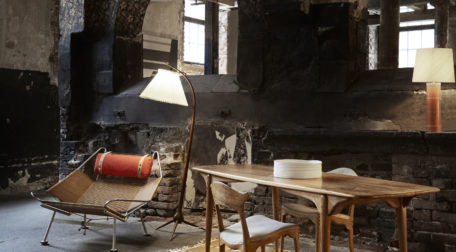
Welcome to Stockholm Design Week
The most important week of the year for Scandinavian design will be held in and around Stockholm, 5 to 11 February, 2018. Modernity will be participating with Think Yesterday, an exceptional installation honouring masters of 20th Century Nordic design.
-
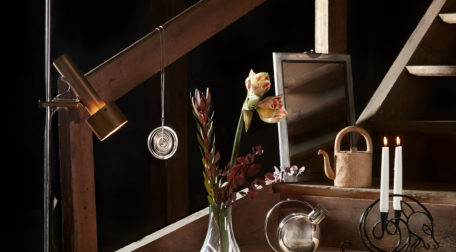
Holiday Gift Guide for Nordic design aficionados
It is never an easy task to find the perfect gift for that special picky family member or friend with a very curated taste who happens to have (almost) everything. Hence this gift guide made of nine exclusive pieces of Scandinavian design: lighting, home decor or jewellery, all vintage Scandinavian design pieces, for the stylish collector.
-
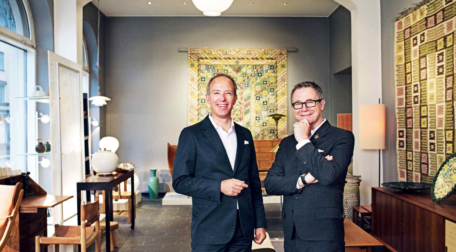
Financial Times' Cult Shop: Modernity
Modernity is proud be chosen as the Cult Shop in the Financial Times How To Spend It, November 4, 2017.
-
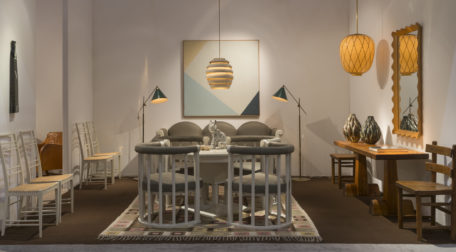
Modernity at the Salon Art + Design 2017
The Salon Art + Design fair is now open to the public at the Park Avenue Armory in New York and we are proud to share the first pictures of our stand with you.
-
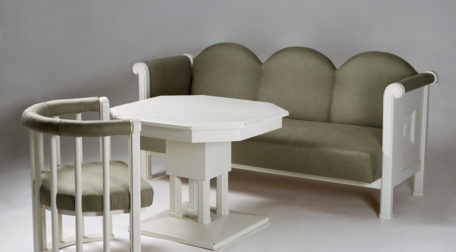
Eliel Saarinen - Master of harmony
Eliel Saarinen (1873-1950), father of Eero Saarinen, was the leading architect of the Finnish romantic style in his native country in the early 20th Century.
-
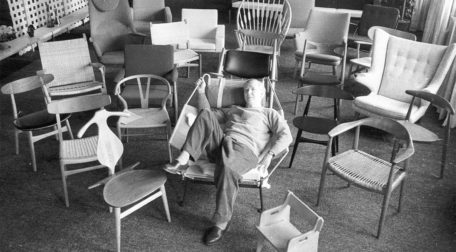
Hans J. Wegner - Father of 500 chairs
Hans J. Wegner is the father of Danish design and is well known for creating some of the most iconic chairs of the past 100 years.
-
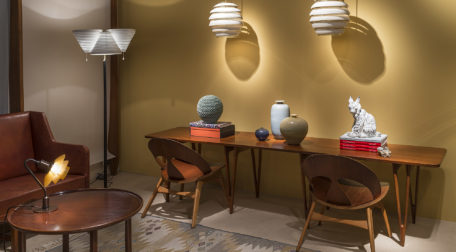
Modernity at PAD London 2017
Modernity is exhibiting for the seventh time in a row at the renowned art and design fair PAD, which is once again pitching its famous tent in chic Berkeley Square, Mayfair. The six-day fair offers an eclectic mix of modern art and design, making this the perfect event for any collector or connoisseur.
-

Josef Frank - Modernism Undone
Josef Frank was a true European, he was also a pioneer of what would become classic 20th century Swedish design and the “Scandinavian Design Style”.
-

Émilie Bonaventure, the talent behind Modernity's fair decors
We first met Émilie Bonaventure in 2009 in Paris, when she was barely thirty years old. Her background was nevertheless impressive already then.
-
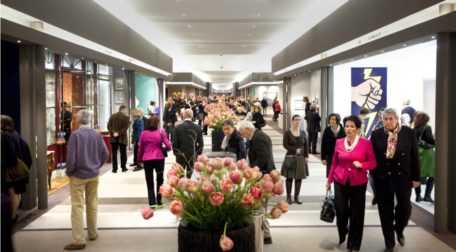
Modernity's fall agenda - 2017
We are getting ready for two major fairs held this fall, PAD London in October and the Salon in New York in November.
-
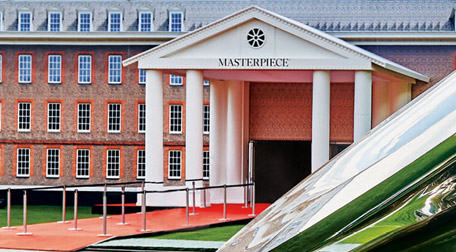
Modernity at Masterpiece London 2017
"A stand of supreme elegance with a consistent aesthetic, bringing their top-quality Scandinavian design to the fore". The Masterpiece Jury granted Modernity the Joint Runner-Up Display Award.
-
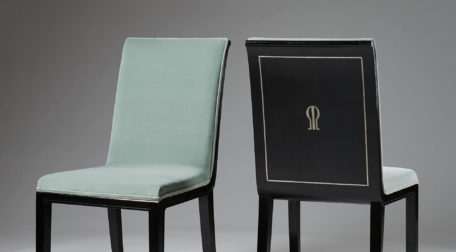
Swedish Grace: elegant and refined, yet delightfully simple
One of the briefest, yet among the most remarkable eras of 20th-century design would have to be Sweden’s 1920’s romantic national style known as Swedish Grace.
-
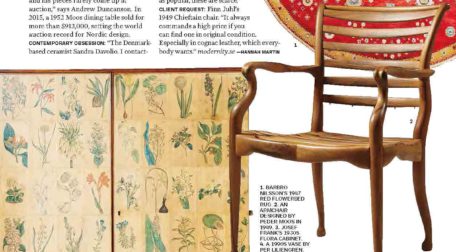
Modernity in Architectural Digest
AD Magazine Dealer's Eye section features Modernity in its June 2017 issue.
-
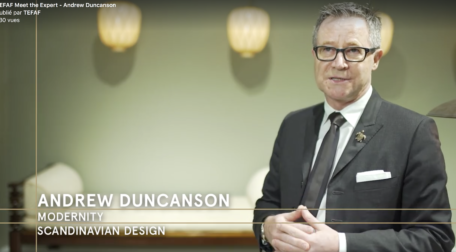
Andrew Duncanson on Meet the Expert at TEFAF New York Spring 2017
-
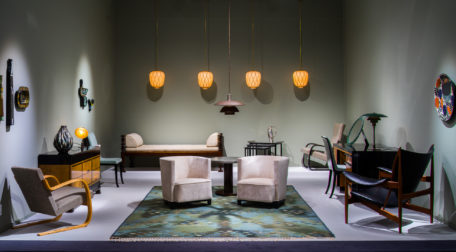
Modernity participated to TEFAF New York Spring's first edition
Modernity was among the 93 international galleries to be part of the very first spring edition of TEFAF New York at the Park Avenue Armory, from the 4th to the 8th of May, 2017.
-
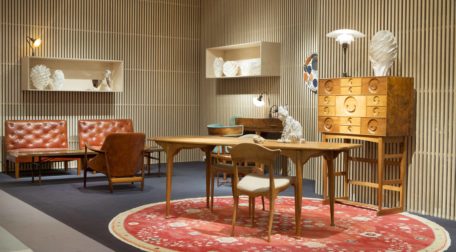
Modernity at TEFAF Maastricht 2017
Modernity was pleased to participate in the much anticipated 30th edition of one of the world's most prestigious art fairs. TEFAF takes place between March 10 and March 19, 2017, in the Netherlands, at the Maastricht Exhibition and Congress Centre (MECC), with a preview on March 9, from 12 pm to 9 pm.
-
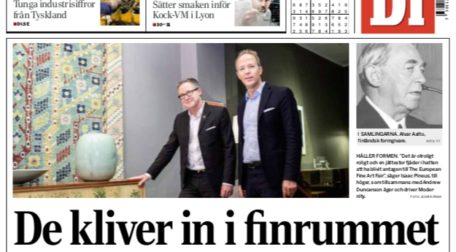
Dagens Industri announces Modernity's participation to TEFAF Maastricht and TEFAF New York
The Swedish business daily Dagens Industri interviews Andrew Duncanson and Isaac Pineus on their forthcoming participation in two of the most prestigious art and antiques fairs in the world.
-
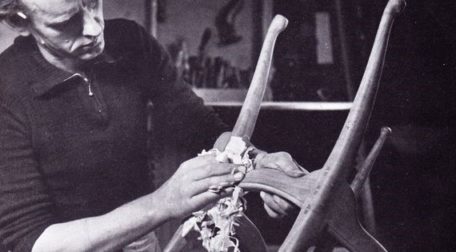
Let us introduce you to Peder Moos - a truly extraordinary Danish cabinetmaker
“First I make the furniture, then afterwards I make a drawing” – Peder Moos. Uncompromising, eccentric, atypical, yet immensely talented are the words most commonly used to describe Danish cabinetmaker Peder Moos.
-

Get to know London-based interior designer Veere Grenney
One of the best interior designers for timeless elegance and modern sophistication, Veere Grenney speaks to Modernity about his design philosophy, projects and love for 20th Century design.
-
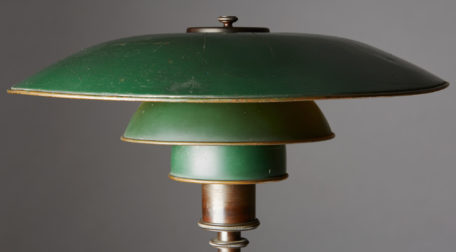
How to Build your own Design Collection - the PH-lamp under scrutiny
Modernity shares its four-step guide to instantly recognize the most desirable and collectible PH lamps - one of Scandinavia’s most famous designs and top collectors' choice.
-

The five most desirable pieces of Scandinavian design
Scandinavian design entered the international scene in the 1940s and has been gaining in popularity ever since, particularly in the last decade.
-
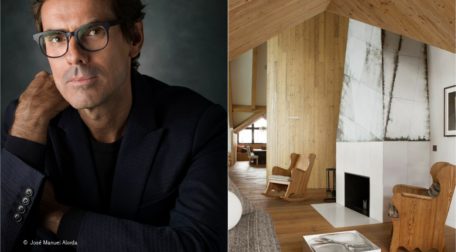
A passion for Swedish designer Axel-Einar Hjorth, by French interior architect Pierre Yovanovitch
The acclaimed French designer and long-time friend of Modernity's, Pierre Yovanovitch, is a fervent collector of Scandinavian design, and of early 20th century Swedish designer Axel-Einar Hjorth in particular. Out of sheer curiosity, and because we share the same passion, Modernity asked Pierre to explain his attraction to Hjorth's creations.
-

Märta Måås-Fjetterström rugs - Five reasons why they have become so desirable
Swedish hand-woven rugs signed MMF are the absolute finest rugs manufactured in Scandinavia this past century. An ever-growing international crowd of modern design lovers show their enthusiasm by purchasing these stunning pieces for their interiors. This is why MMF rugs have become so desirable:
-
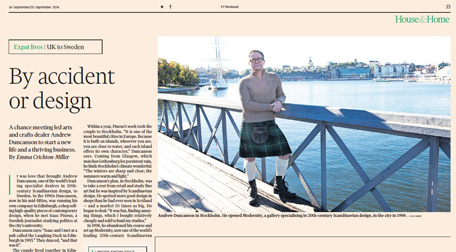
Financial Times Weekend features Andrew Duncanson
The Financial Times Weekend features Andrew Duncanson and Modernity in the House & Home section Saturday September 24th. It tells the story of how Andrew became an Expat and about life as a dealer of 20th century Scandinavian design, living in Stockholm and in having a country home by the sea.
-
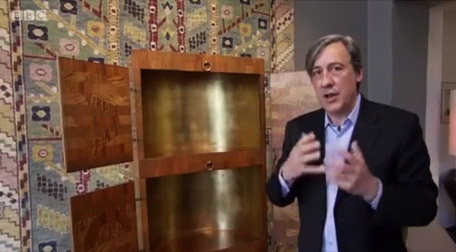
Modernity featured on BBC’s The Art of Scandinavia
Modernity is featured in BBC’s extensive program “The Art of Scandinavia”, broadcasted on BBC4 and BBC Worldwide. The presenter Andrew Graham-Dixon explores the history of Norway, Denmark and Sweden through the region’s art. The third film looks at Sweden as Scandinavia’s ‘modern miracle’ focusing on artists, designers and architects of the 20th century.
-
Modernity supplies international museums
Modernity has once again sold important pieces of design to international museums. This time the famous Zig Zag chair by Gerrit Rietveld sold to the Milwaukee Art Museum in the US. The National Museum of Scotland has also recently purchased important pieces of jewellery.
